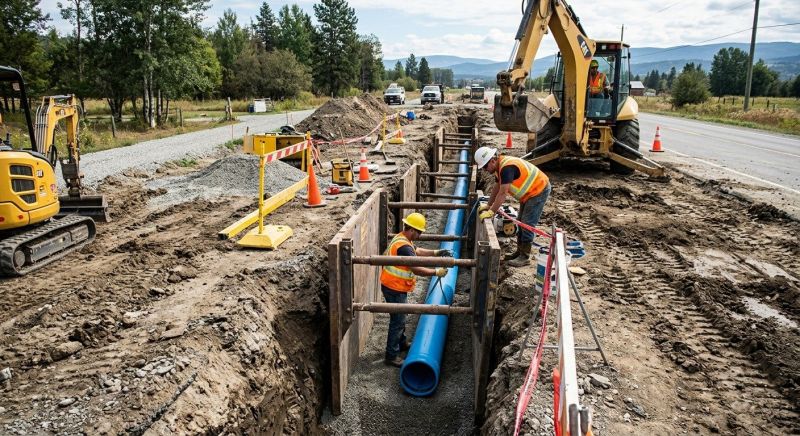
Trench Installation in Atlanta, GA
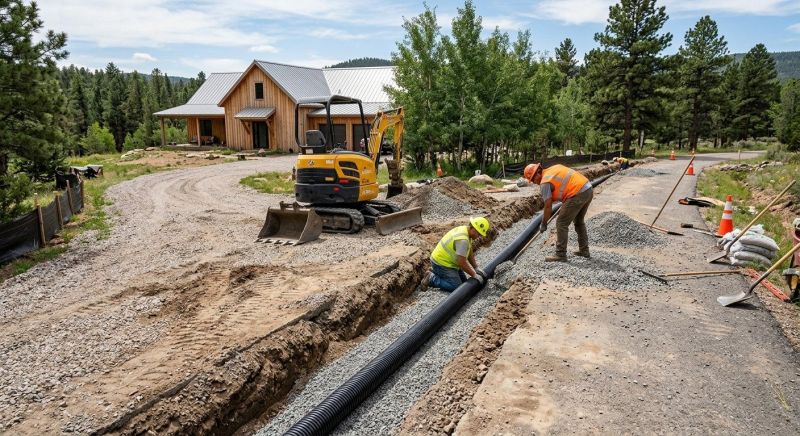
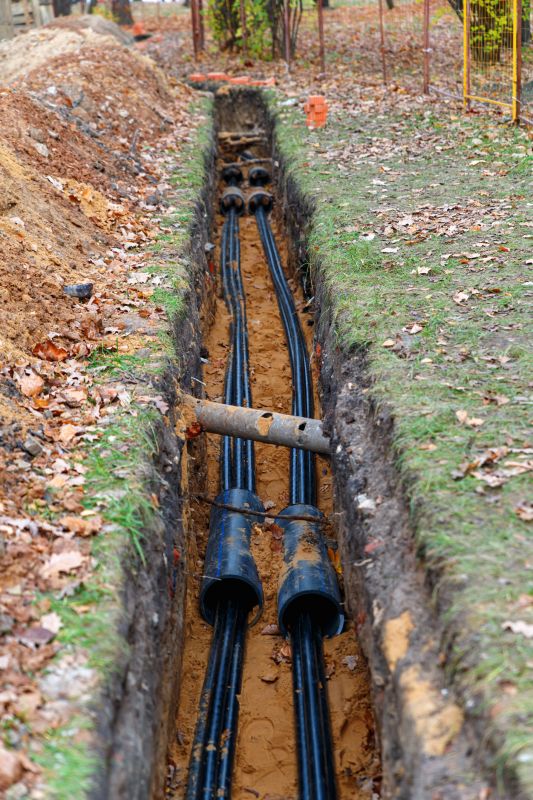
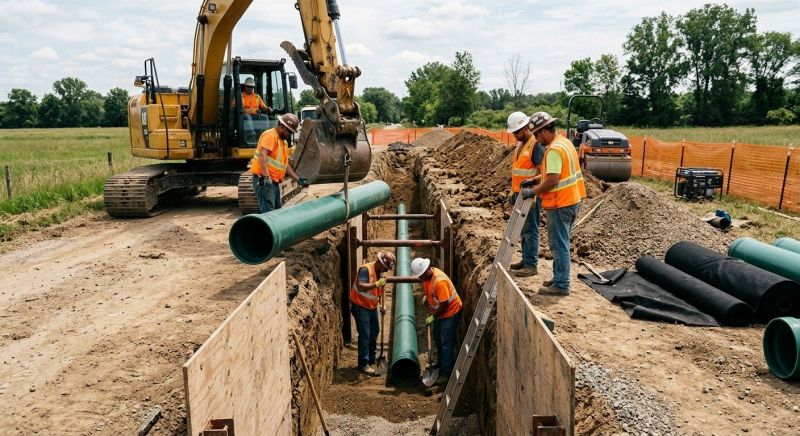
Trench installation services involve digging narrow, deep channels into the ground to facilitate various utility and infrastructure projects around residential properties. These trenches are commonly used for laying underground cables, pipes, or drainage systems, making them essential for new construction, renovations, or upgrades. Property owners typically request trench installation when installing or repairing electrical wiring, plumbing lines, irrigation systems, or communication cables, ensuring these utilities are safely and securely embedded beneath the surface.
Before requesting trench installation, homeowners should consider the purpose of the trench, the location on the property, and any existing underground utilities that might be affected. It is important to understand local regulations and whether permits are required for the project. Additionally, property owners often want to know about the depth and width of the trench, the impact on landscaping, and how the work will be coordinated with other ongoing projects. Clear communication about these details helps ensure the trench installation aligns with project goals and property safety.
Many property owners in Atlanta, GA look into Trench Installation for repairs, replacements, upgrades, and appearance-related improvements.
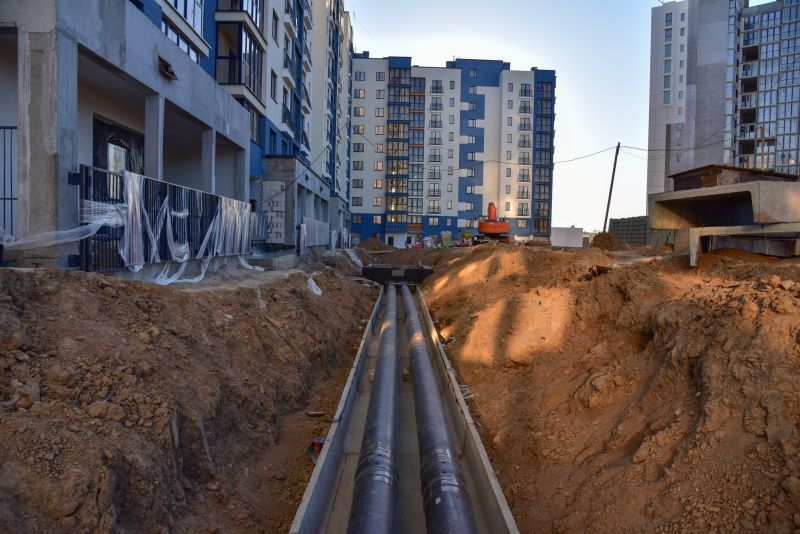
Trench Installation For Utility Lines
Proper trenches ensure safe and efficient installation of electrical, water, and communication lines.
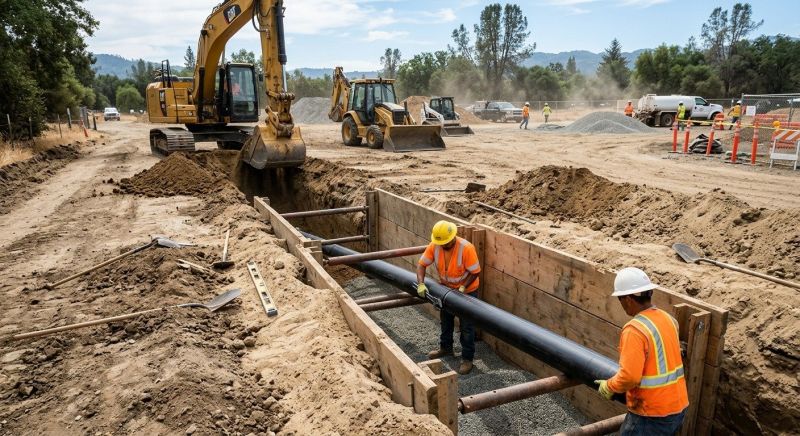
Drainage And Irrigation Trenching
Trenches help manage water flow and support irrigation systems across residential and commercial properties.
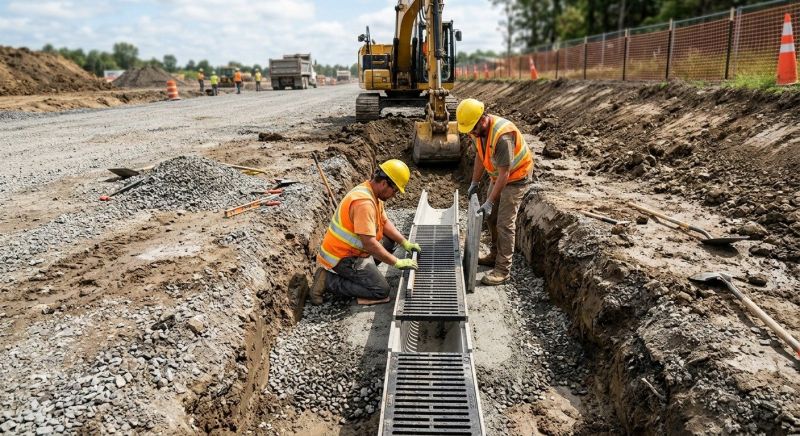
Foundation And Landscaping Support
Trenches are essential for foundation work and creating pathways or landscape features in atlanta properties.
Trench Installation in Atlanta, GA

Trench installation services involve digging narrow, deep channels into the ground to facilitate various utility and infrastructure projects around residential properties. These trenches are commonly used for laying underground cables, pipes, or drainage systems, making them essential for new construction, renovations, or upgrades. Property owners typically request trench installation when installing or repairing electrical wiring, plumbing lines, irrigation systems, or communication cables, ensuring these utilities are safely and securely embedded beneath the surface.
Before requesting trench installation, homeowners should consider the purpose of the trench, the location on the property, and any existing underground utilities that might be affected. It is important to understand local regulations and whether permits are required for the project. Additionally, property owners often want to know about the depth and width of the trench, the impact on landscaping, and how the work will be coordinated with other ongoing projects. Clear communication about these details helps ensure the trench installation aligns with project goals and property safety.
Many property owners in Atlanta, GA look into Trench Installation for repairs, replacements, upgrades, and appearance-related improvements.
Common Trench Installation Jobs
Trench Installation - Provides a stable foundation for utility lines and drainage systems.
Drainage Trench - Helps direct water away from foundations to prevent flooding.
Utility Trench - Allows safe and organized installation of electrical, gas, or water lines.
Landscape Trench - Creates space for irrigation systems and underground wiring.
Foundation Trench - Supports the construction of retaining walls and building foundations.
French Drain - Assists with moisture management around residential and commercial properties.
Trench Installation Questions
What is trench installation used for? Trench installation is commonly used for laying utility lines, drainage systems, or irrigation pipes across a property.
How deep should a trench be for utility lines? The depth varies depending on the purpose, but typically trenches are dug at least 18 to 24 inches deep for proper safety and functionality.
What materials are used for trench backfill? Backfill often consists of excavated soil, sometimes supplemented with gravel or sand for stability and drainage.
Are there any permits required for trench installation? Permit requirements depend on local regulations and the scope of the project; it’s best to check with local authorities before starting.
Request Trench Installation in Atlanta, GA
Use the quote form on this page to share the basics of your project and request more information for the type of work you need.