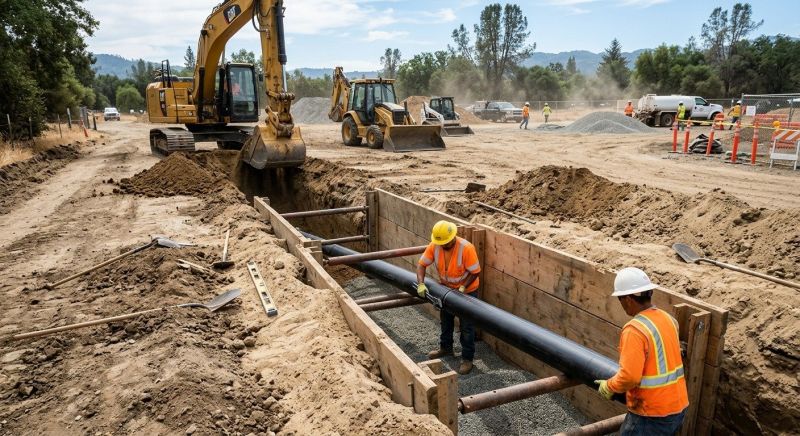
Trench Installation in Houston, TX
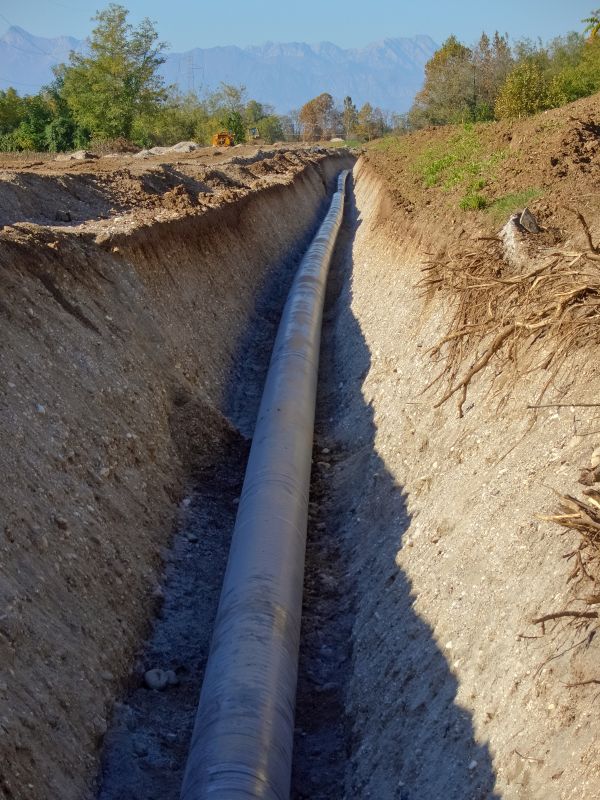
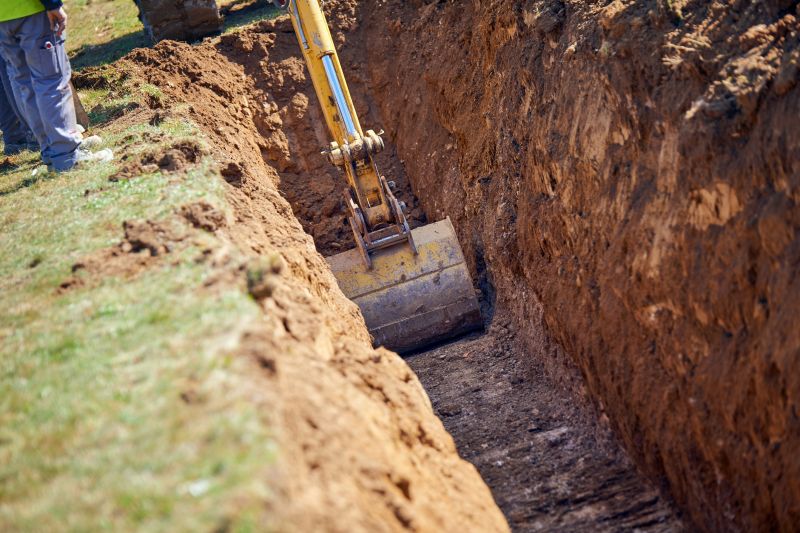
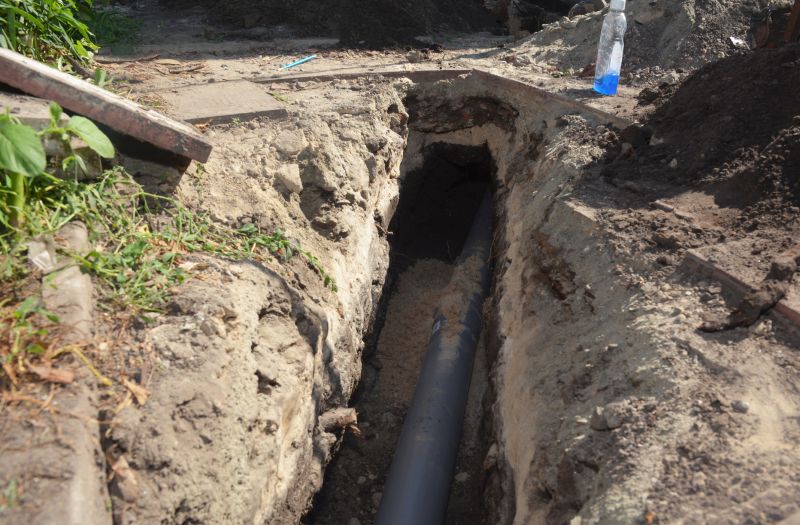
Trench installation services involve digging narrow, precise channels into the ground to accommodate various utilities and infrastructure needs. These projects often include installing or repairing underground cables, pipes, drainage systems, or irrigation lines. Property owners typically request trenching for new construction, landscaping upgrades, or to upgrade existing utility lines, ensuring safe and efficient access to essential services beneath the surface.
Before requesting trench installation, property owners should consider the location and purpose of the trench, as well as any underground obstacles such as existing utilities or tree roots. Understanding the depth, length, and width required for the project can help determine the scope of work. Additionally, it’s helpful to be aware of local regulations or permits that may apply to underground work, ensuring the project complies with safety and code standards.
Many property owners in Houston, TX look into Trench Installation for repairs, replacements, upgrades, and appearance-related improvements.
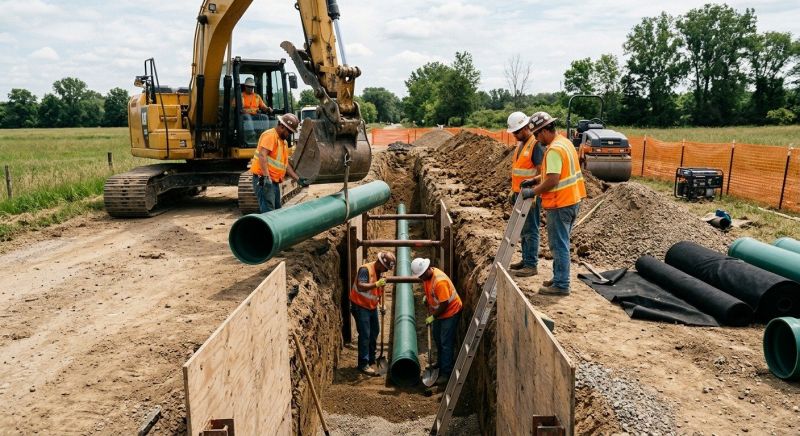
Foundation And Utility Installations
Trench installation is essential for laying underground utilities and foundation work in houston properties.
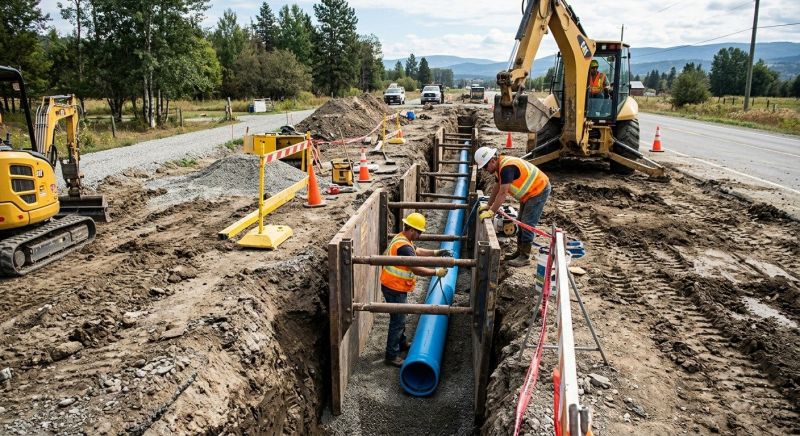
Drainage And Irrigation Systems
Proper trenches help manage water flow and support effective drainage and irrigation setups.
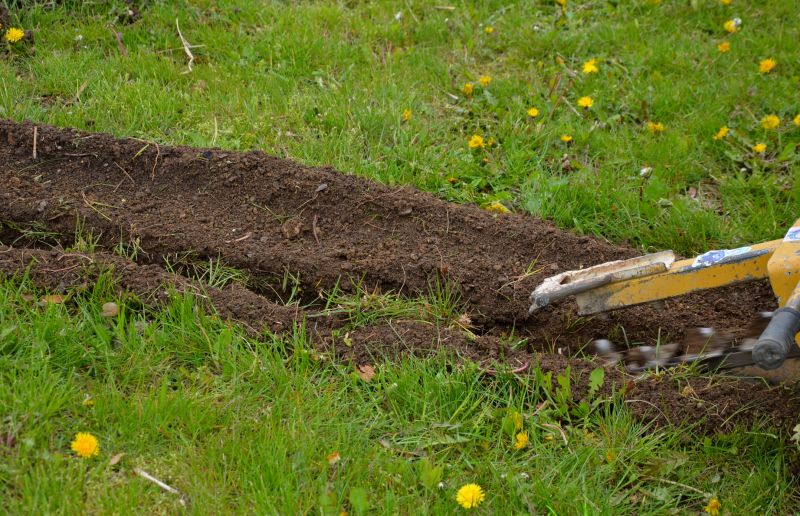
Property Preparation And Landscaping
Trenching can prepare the ground for landscaping projects, fencing, or other structural additions on your property.
Trench Installation in Houston, TX

Trench installation services involve digging narrow, precise channels into the ground to accommodate various utilities and infrastructure needs. These projects often include installing or repairing underground cables, pipes, drainage systems, or irrigation lines. Property owners typically request trenching for new construction, landscaping upgrades, or to upgrade existing utility lines, ensuring safe and efficient access to essential services beneath the surface.
Before requesting trench installation, property owners should consider the location and purpose of the trench, as well as any underground obstacles such as existing utilities or tree roots. Understanding the depth, length, and width required for the project can help determine the scope of work. Additionally, it’s helpful to be aware of local regulations or permits that may apply to underground work, ensuring the project complies with safety and code standards.
Many property owners in Houston, TX look into Trench Installation for repairs, replacements, upgrades, and appearance-related improvements.
Common Trench Installation Jobs
Drainage Projects - Trench installation helps redirect water away from foundations and landscaping.
Utility Line Installation - Trenches provide a protected pathway for electrical, gas, or water lines.
Irrigation System Setup - Installing trenches is essential for underground sprinkler systems.
Foundation Support - Trenches can be used to install footing drains or reinforce foundations.
Landscaping Enhancements - Trenches create defined borders or pathways in yard designs.
Septic System Installation - Trenches are necessary for laying septic pipes and components.
Trench Installation Questions
What is trench installation used for? Trench installation is commonly used for laying utilities like water, gas, or electrical lines, as well as drainage systems around a property.
What types of trenches are available? Different trench types include shallow, deep, and sloped trenches, designed to suit various project requirements and site conditions.
How deep should a trench be for utility lines? The depth of utility trenches typically depends on local codes and the type of utility, but generally ranges from 18 inches to several feet.
What should property owners consider before trench installation? It’s important to assess underground obstacles, ensure proper permits, and plan for minimal disruption to landscaping or existing structures.
Request Trench Installation in Houston, TX
Use the quote form on this page to share the basics of your project and request more information for the type of work you need.